
Learn a Language at Home Without Classes or a Teacher
The traditional image of language learning involves a dusty classroom, a heavy textbook, and a strict schedule. But what if you could master a new language while sitting on your couch, without ever paying for an expensive tutor or commuting to a school?
Learning a language at home is no longer just a hobby for the hyper-disciplined; it is a practical reality for anyone with an internet connection. Thanks to advancements in technology and a better understanding of how the brain acquires language, you can achieve fluency independently.
In this guide, we will explore the exact strategies you need to build a self-study routine that actually works. We'll look at how to create an immersive environment and how tools like Hamzaban can act as the personal tutor you never had to hire.
The Shift Toward Independent Learning
For decades, we believed that a teacher was the only source of linguistic knowledge. While teachers are valuable, the digital age has democratized education. You now have access to the same resources, native content, and grammatical explanations that were once locked behind university doors.
Independent learning offers a level of flexibility that no classroom can match. You can study at 2:00 AM if that’s when you’re most alert, and you can spend three hours on a single grammar point that confuses you without worrying about holding back a class.
Why Classes Often Fail
Many students find that after years of classroom study, they still cannot hold a basic conversation. This is often because classrooms focus on "passive learning"—listening to a lecture or filling out worksheets. Real fluency requires "active production," which is much easier to practice in a personalized, home-based environment.
Step 1: Create a Digital Immersion Environment
You don't need to move to a different country to immerse yourself in a language. You can bring that country to your living room by changing your digital habits.
- Change Your Phone’s Language: This forces you to learn essential vocabulary like "settings," "messages," and "notifications" through sheer necessity.
- Consume Native Media: Stop watching dubbed content. Switch to original audio with subtitles in the target language. Even if you don't understand everything, your brain is mapping the sounds and rhythms of the speech.
- Listen to Podcasts: Use your "dead time"—commuting, cleaning, or exercising—to listen to beginner-friendly podcasts. This builds your listening comprehension without requiring dedicated study hours.

Step 2: The Power of Micro-Learning
The biggest mistake self-learners make is trying to study for three hours once a week. Language is a perishable skill; it needs constant reinforcement.
Instead of long sessions, aim for "micro-learning." This means studying for 15 to 20 minutes, twice a day. This keeps the language fresh in your short-term memory and eventually moves it into long-term storage.
Building a Habit Loop
Link your language practice to an existing habit. For example, tell yourself, "I will practice five minutes of vocabulary while my coffee is brewing." By anchoring the new habit to an old one, you remove the mental friction of getting started.
Step 3: Use AI as Your 24/7 Tutor
The primary reason people seek out teachers is for feedback and conversation. Previously, this was the one area where self-study fell short. However, AI has changed the game entirely.
With an AI-powered platform like Hamzaban, you have access to a tutor that never gets tired and never judges your mistakes. You can practice speaking and writing in a low-pressure environment, receiving instant corrections that help you improve in real-time.
Personalized Practice
Generic textbooks follow a one-size-fits-all curriculum. AI tutors, on the other hand, can identify your specific gaps. If you struggle with past tense verbs but have mastered vocabulary, the AI will adjust your exercises to focus on your weaknesses. Try Hamzaban free to see how an adaptive curriculum speeds up your progress compared to a static textbook.
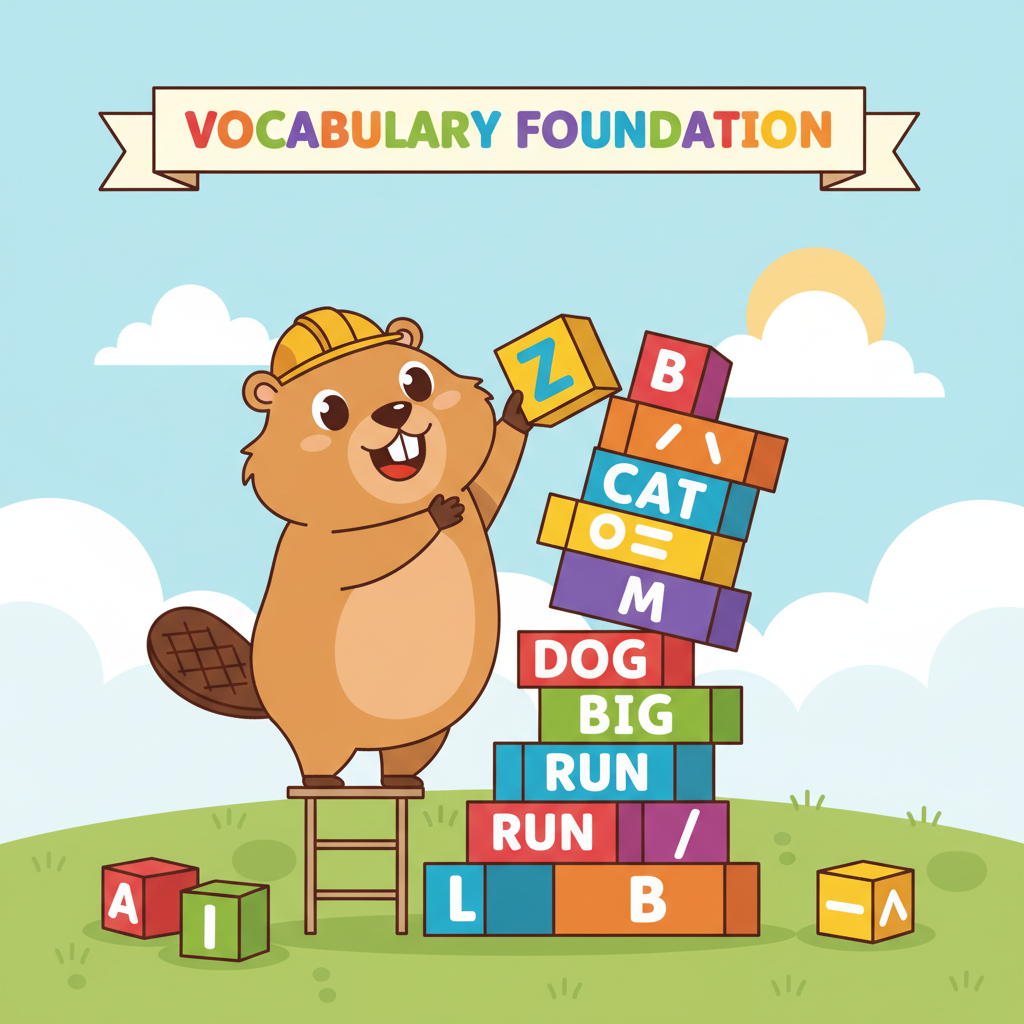
Step 4: Focus on High-Frequency Vocabulary
Did you know that in most languages, the top 1,000 most common words account for nearly 80% of everyday communication? Instead of learning the names of exotic animals or obscure kitchen utensils, focus on the words you will actually use.
- Use Flashcards: Use Spaced Repetition Systems (SRS) to memorize high-frequency words.
- Learn Phrases, Not Just Words: Instead of learning the word "want," learn the phrase "I want to go to..." This allows you to start building sentences immediately.
Step 5: Don’t Be Afraid to Speak (Even to Yourself)
Speaking is the most difficult skill to develop at home because it feels awkward to talk to a wall. However, output is essential.
- The Shadowing Technique: Listen to a native speaker and repeat exactly what they say, mimicking their intonation and speed. This trains your mouth muscles to produce new sounds.
- Narrate Your Day: Talk to yourself about what you are doing. "I am making breakfast," or "I need to find my keys." This helps you bridge the gap between thinking and speaking.
Overcoming the "Plateau"
Every self-learner hits a point where they feel they aren't improving. This is the intermediate plateau. To break through, you must increase the complexity of your input. Switch from learner-focused content to content made for native speakers, like news reports or YouTube vlogs.
Consistency is the only bridge across the plateau. Even on days when you feel unmotivated, doing just five minutes of practice keeps the momentum alive.
Conclusion
You don't need a classroom, a commute, or a thousand-dollar tuition bill to become fluent in a new language. By leveraging digital immersion, micro-learning habits, and AI-driven tools, you can take full control of your education.
Systems like Hamzaban are designed to fill the gaps that self-study usually leaves behind—providing the structure of a course with the freedom of an app. If you're ready to start your journey today, explore our AI tutor and grammar handbook and discover how simple home-based learning can be.