English Conversation Practice with AI: A Complete Guide
Mastering English conversation is often the most challenging hurdle for language learners. While you can study grammar from a book and memorize vocabulary with flashcards, speaking requires a level of spontaneity that traditional methods lack.
In the past, the only way to improve was to hire an expensive tutor or find a language exchange partner. Today, Artificial Intelligence has changed the landscape entirely. AI-powered conversation practice allows you to build confidence, fix pronunciation, and expand your vocabulary in a pressure-free environment.
Why Practice English with AI?
The biggest barrier to speaking English fluently is often the fear of making mistakes. When you speak with a human, you might feel self-conscious about your accent or grammar errors.
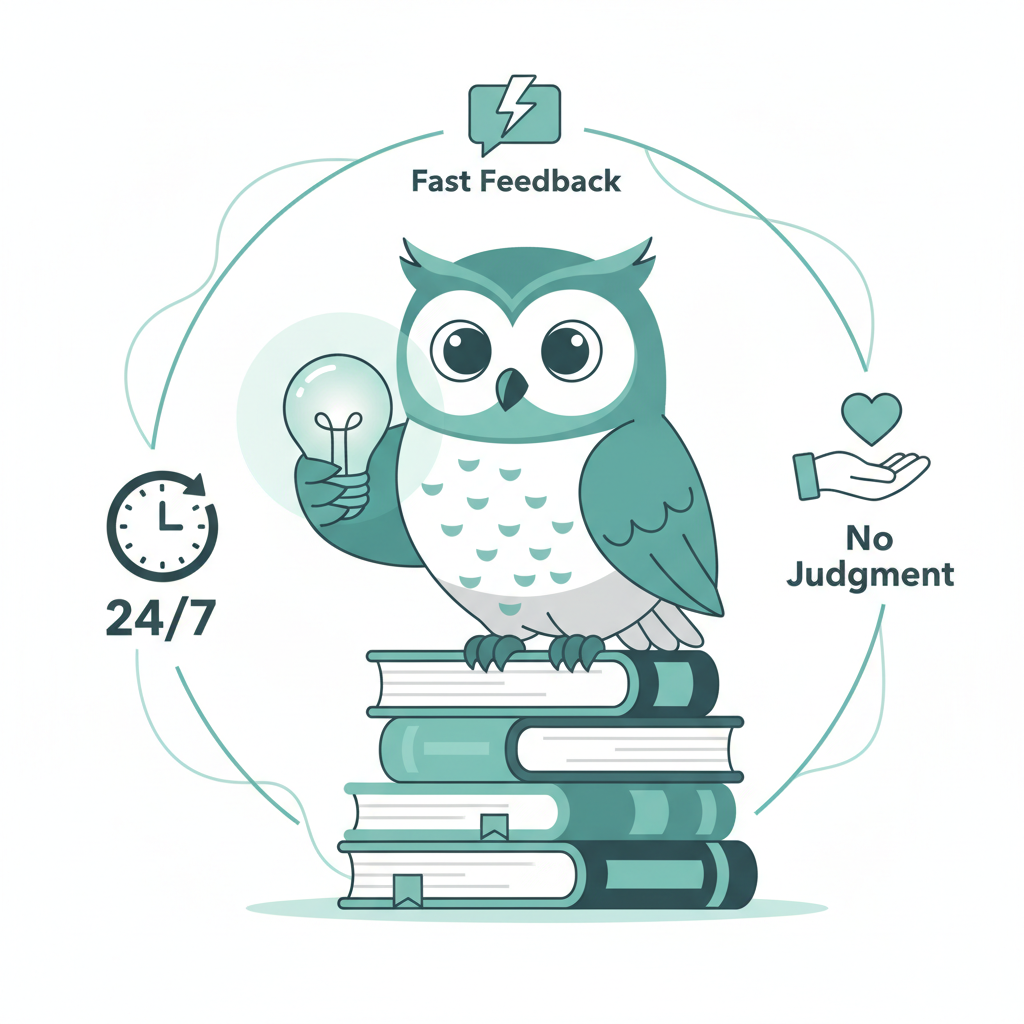
AI tutors provide a safe space where you can experiment without judgment. You can repeat the same sentence ten times until you get the pronunciation right with AI feedback, and the AI will never lose patience. This consistency is key to building muscle memory in your speech.
24/7 Availability and Flexibility
Unlike human tutors who have fixed schedules, AI is available whenever you have five minutes to spare. Whether it is late at night or during your morning commute, you can engage in meaningful dialogue.
This flexibility makes it easier to turn language learning into a daily habit. Small, frequent sessions are often more effective for retention than one long session per week.
Personalized Feedback Loops
Modern AI platforms like Hamzaban analyze your speech patterns in real-time. They don't just listen; they identify specific grammatical gaps and suggest more natural ways to phrase your thoughts. This targeted feedback ensures you aren't just practicing, but actively improving.
Setting Realistic Goals for Conversation Practice
Before jumping into a conversation, it is helpful to define what you want to achieve. Are you practicing for a job interview, or do you just want to be able to order coffee in London?
- Define your scenario: Choose a specific context for each session.
- Focus on specific vocabulary: If you are practicing for a medical appointment, learn body parts and symptom descriptions beforehand.
- Prioritize fluency over perfection: In the beginning, focus on keeping the conversation going rather than getting every verb tense perfect.
Step-by-Step Guide to Effective AI Practice
To get the most out of your AI tutor, you should treat it like a real social interaction. Here is how to structure your sessions for maximum growth.
1. The Warm-Up
Start with simple greetings and small talk. Tell the AI how your day was or what you ate for breakfast. This helps your brain switch into "English mode" and prepares you for more complex topics.
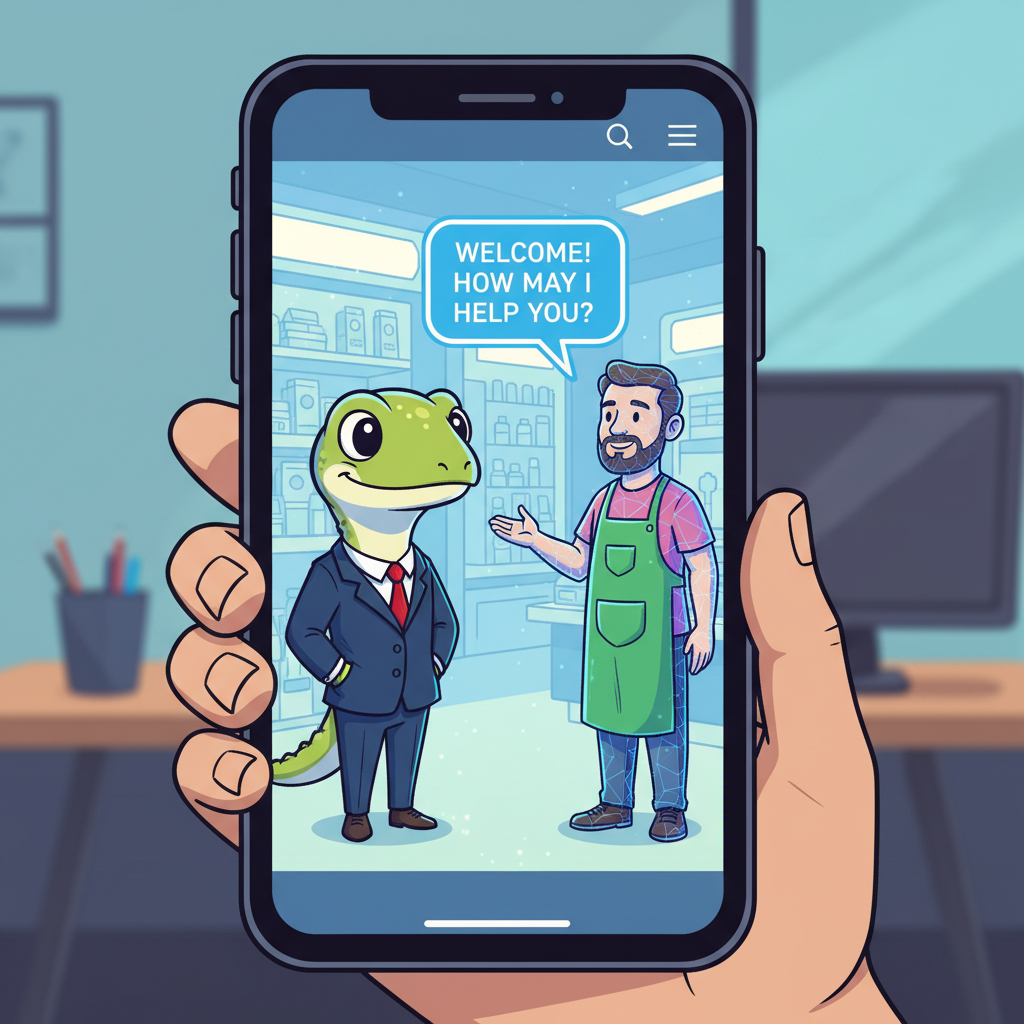
2. Scenario-Based Roleplay
This is where AI truly shines. You can ask the AI to play the role of a recruiter, a waiter, or a concerned landlord.
- Travel Scenario: "Pretend you are a hotel receptionist and I am checking in without a reservation."
- Work Scenario: "Let's practice a performance review. You are my manager, and I am asking for a promotion."
- Social Scenario: "Let's imagine we are meeting at a party for the first time."
3. Reviewing Your Mistakes
After the conversation, review the transcript or the feedback provided. Look for recurring errors. Do you keep forgetting the third-person 's'? Do you struggle with prepositions? Use these insights to guide your next study session in the Hamzaban grammar handbook.
Advanced Techniques for Fluency
Once you are comfortable with basic dialogue, you can push your limits with these advanced strategies:
Shadowing the AI
Listen to how the AI pronounces a phrase, then repeat it immediately, mimicking the rhythm, intonation, and speed. This speaking practice technique is one of the fastest ways to reduce a heavy accent and sound more like a native speaker.
Expanding Your Vocabulary Mid-Conversation
If you find yourself using the word "good" repeatedly, ask the AI for synonyms. You can say, "What is a more professional word for 'good' in this context?" The AI might suggest "exceptional," "efficient," or "satisfactory."
Practicing Fillers and Transitions
Native speakers use "fillers" like "well," "actually," and "to be honest" to keep the flow of conversation. Practice incorporating these into your AI chats to make your English sound more natural and less like a textbook.
Overcoming Common Challenges
Many learners feel awkward talking to a computer at first. To overcome this, start with text-based chat and slowly move to voice-to-voice interaction. Remember that the AI is a tool designed for your growth.
If you find the AI is speaking too fast, most platforms allow you to adjust the playback speed. Don't be afraid to ask the AI to "speak more slowly" or "explain that idiom."
Conclusion: The Future of Speaking is Here
English conversation practice no longer requires a plane ticket or an expensive classroom. With the right AI tools and a consistent routine, you can achieve fluency from the comfort of your home.
By focusing on real-world scenarios, reviewing your mistakes, and pushing your boundaries, you will find that speaking English becomes second nature. Try Hamzaban free today and start your journey toward confident English communication with our personalized AI tutor.
Remember, every conversation—no matter how small—is a step toward mastery. Happy practicing!