How AI is Revolutionizing Language Learning in 2026
The landscape of education has shifted dramatically over the last few years. If you had told a student in 2020 that they would have a 24/7 personal tutor in their pocket capable of explaining complex Persian grammar or correcting their French accent in real-time, they might have called it science fiction.
Yet, here we are in 2026, and Artificial Intelligence (AI) has moved from a novelty to the very backbone of how we acquire new languages. The days of static textbooks and repetitive, one-size-fits-all mobile apps are fading.
In this post, we explore the core ways AI is revolutionizing the journey from novice to fluent speaker, and how you can leverage these tools to learn faster than ever before.
1. Hyper-Personalization: The End of the "Average" Student
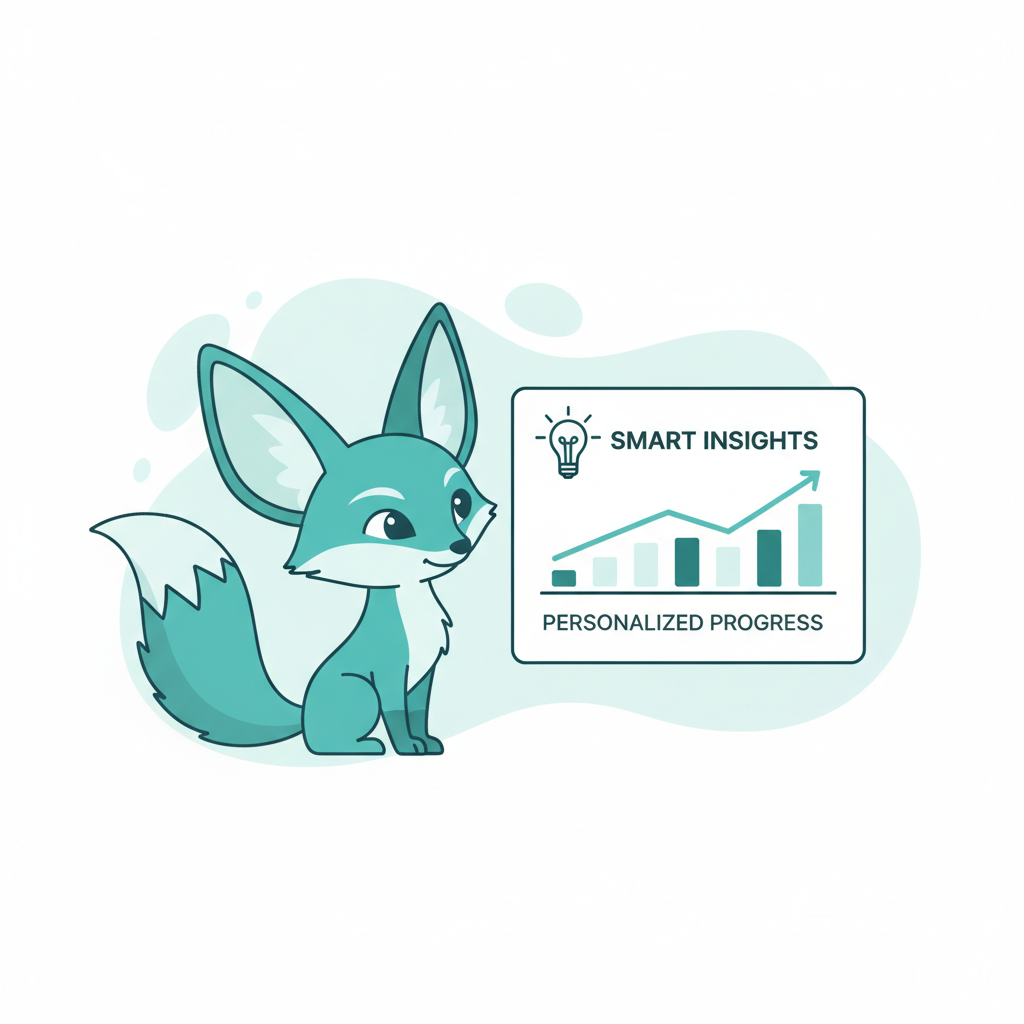
Traditional classrooms are designed for the average student. This often means the pace is either too fast, leaving some behind, or too slow, causing others to lose interest. AI has solved this by introducing hyper-personalized learning paths.
Today's AI algorithms analyze your performance in real-time. If you consistently struggle with the subjunctive mood in Spanish but breeze through vocabulary related to business, the system adjusts instantly. It doesn't just tell you that you're wrong; it identifies the underlying pattern of your mistakes.
Platforms like Hamzaban utilize this adaptive technology to create a "gap-targeted" practice experience. Instead of reviewing words you already know, the AI ensures you spend your time bridging the specific gaps in your knowledge.
2. The Rise of the AI Conversation Partner
For decades, the biggest hurdle in language learning was the "anxiety of the first conversation." Many learners spend years studying grammar but freeze when faced with a native speaker.
In 2026, AI tutors have become indistinguishable from human conversation partners in terms of linguistic capability. These AI tutors provide a safe, judgment-free zone to practice English conversation with AI.
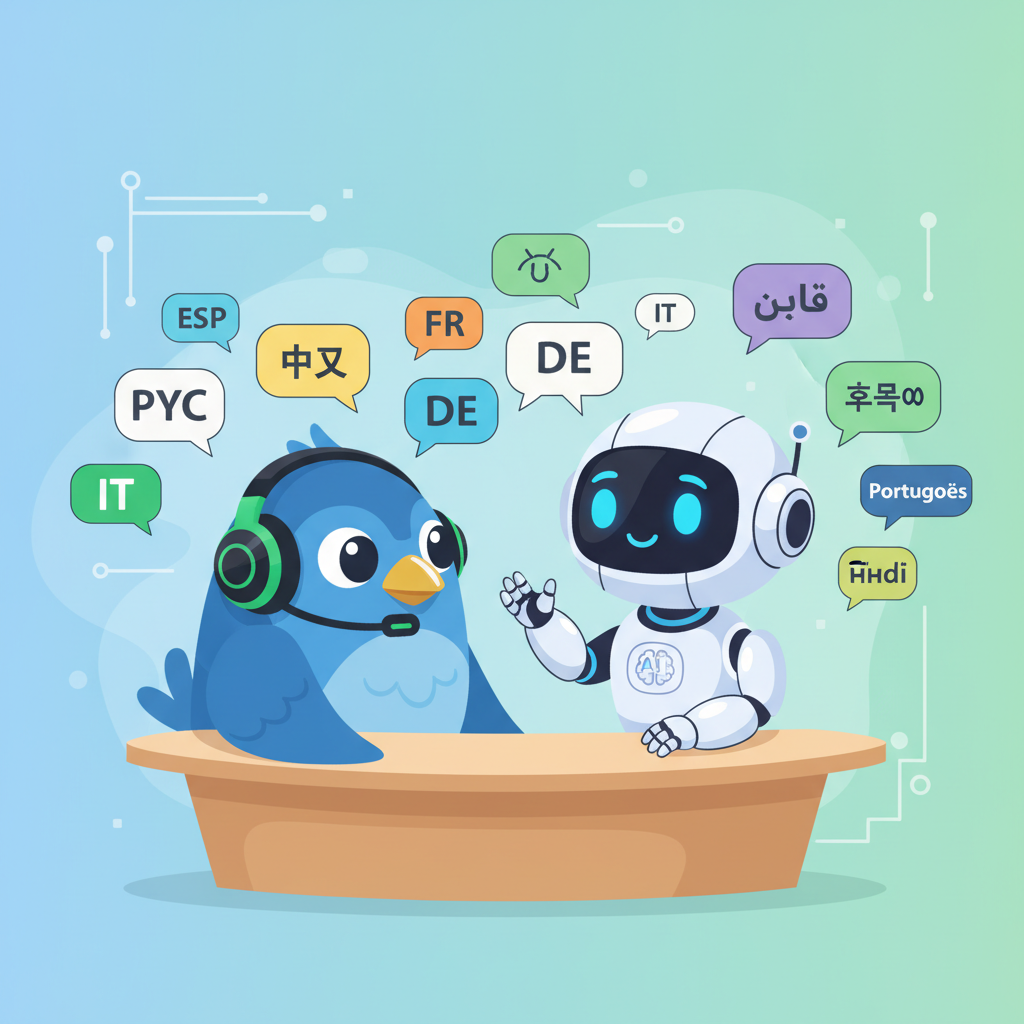
Benefits of AI Tutoring:
- Zero Judgment: You can repeat the same sentence ten times until your pronunciation is perfect without feeling embarrassed.
- Immediate Feedback: Unlike a human tutor who might wait until the end of a session to give feedback, AI can provide subtle, real-time corrections.
- Contextual Learning: You can ask the AI to roleplay specific scenarios, such as a job interview in Berlin or ordering street food in Tehran.
3. Real-Time Pronunciation and Accent Training
Earlier versions of language software used basic speech-to-text. Today, sophisticated neural networks analyze the physics of your speech. They look at your pitch, rhythm, and phoneme articulation to provide visual feedback.
If you are learning English and struggle with the "th" sound, the AI doesn't just say "try again." As we explain in our guide on English pronunciation with AI feedback, it shows you exactly where your tongue should be positioned. This level of granular feedback was previously only available through expensive private coaching.
4. Contextual Grammar and Smart Handbooks
Remember flipping through the back of a 400-page textbook to find a conjugation table? That process is now obsolete. AI-integrated grammar handbooks now offer "just-in-time" information.
When you make a mistake during an exercise, the AI provides a snippet of the relevant grammar rule immediately. This creates a stronger cognitive link between the error and the correction. For those looking for a comprehensive resource, the Hamzaban grammar handbook offers a digitized, easy-to-navigate guide that complements AI-driven practice.
5. Efficient Vocabulary Acquisition via Spaced Repetition (SRS)
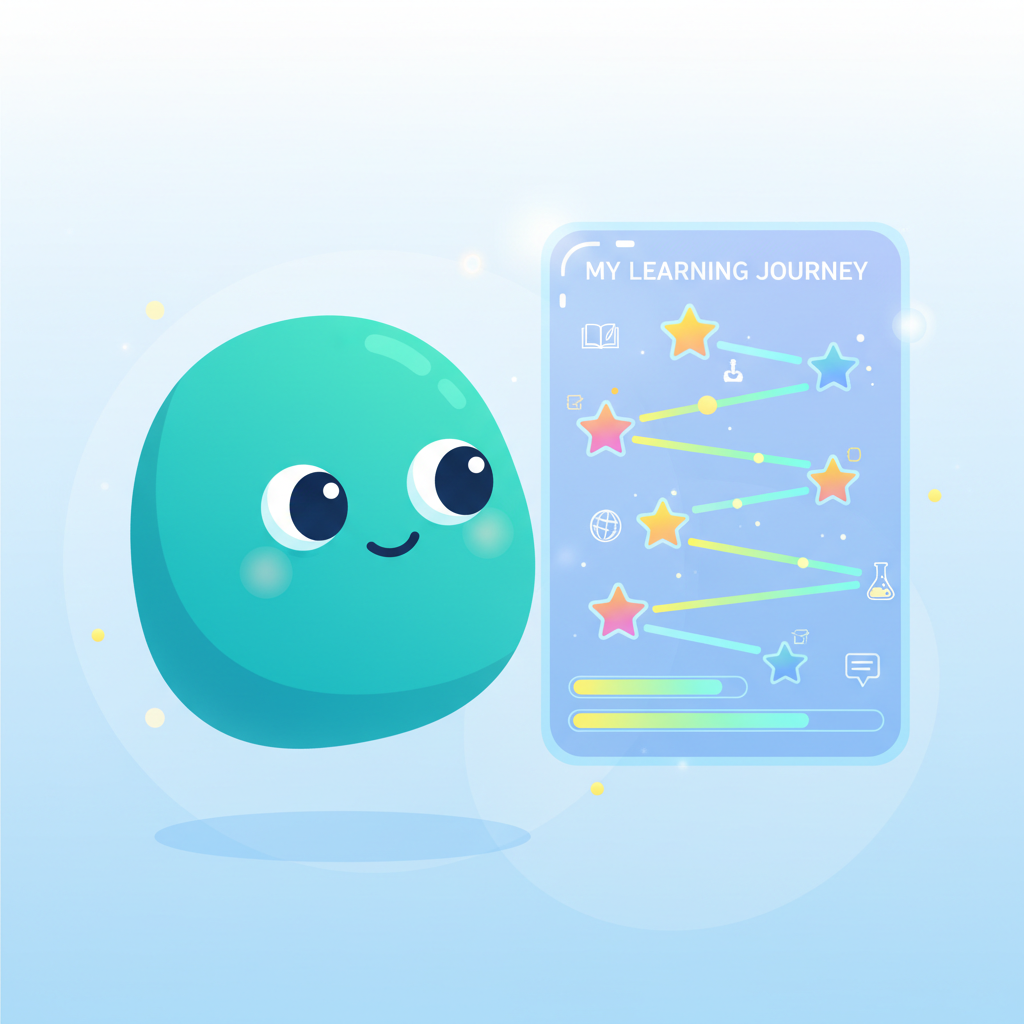
While Spaced Repetition Systems have existed for a while, 2026-era AI has perfected them. The AI now considers external factors—like how long it's been since your last session and the difficulty of specific linguistic roots—to predict exactly when you are about to forget a word.
By showing you a word at the precise moment of potential decay, the AI forces your brain to work just hard enough to move that information into long-term memory. This is known as the "desirable difficulty" principle, and AI manages it better than any human could.
How to Succeed with AI Learning in 2026
Technology is a tool, not a magic wand. To get the most out of AI-powered platforms, follow these actionable tips:
- Maintain Consistency: AI thrives on data. The more you interact with the system, the better it understands your learning style. Aim for 15 minutes a day rather than 3 hours once a week.
- Speak Out Loud: Don't just type. Use the voice interface features of your AI tutor to build muscle memory in your jaw and tongue.
- Follow the Data: If your AI dashboard says you are weak in a certain area, don't ignore it. Use the targeted exercises provided to turn those weaknesses into strengths.
- Combine Tools: Use an AI tutor for conversation, but keep a reliable grammar reference handy for deep-diving into the "why" behind the rules.
The Future is Collaborative
AI isn't here to replace the joy of human connection; it's here to accelerate our path toward it. By removing the barriers of cost, anxiety, and inefficient study habits, AI allows us to reach a level of fluency where we can finally connect with people from different cultures on a deeper level.
If you're ready to experience the future of education, you can start practicing with Hamzaban today. Whether you are mastering a new alphabet or refining your professional vocabulary, the power of AI is ready to guide you every step of the way.
Learning a language has never been this personalized. The only question left is: which language will you master first?