آموزش تلفظ انگلیسی با بازخورد هوش مصنوعی
تلفظ صحیح کلمات، کلید اصلی برقراری ارتباط موثر در هر زبانی است. برای بسیاری از فارسیزبانان، یادگیری تلفظ انگلیسی به دلیل تفاوتهای ساختاری در سیستم صوتی دو زبان، چالشبرانگیز است. اما امروزه با ظهور هوش مصنوعی، یادگیری تلفظ دیگر نیازی به حضور دائمی یک معلم خصوصی گرانقیمت ندارد.
در این مقاله، بررسی میکنیم که چگونه تکنولوژی هوش مصنوعی و پلتفرمهایی مانند همزبان انقلابی در اصلاح لهجه ایجاد کردهاند. همچنین به اشتباهات رایج فارسیزبانها و راهکارهای عملی برای رفع آنها میپردازیم.
چرا تلفظ از گرامر مهمتر است؟
بسیاری از زبانآموزان سالها وقت خود را صرف یادگیری قواعد پیچیده گرامری میکنند، اما هنگام مکالمه، کسی متوجه منظور آنها نمیشود. واقعیت این است که شنونده میتواند اشتباه گرامری شما را نادیده بگیرد، اما اگر کلمات را اشتباه تلفظ کنید، پیام شما به کلی منتقل نمیشود.
تلفظ صحیح اعتماد به نفس شما را در محیطهای کاری و تحصیلی افزایش میدهد. وقتی بدانید که کلمات را درست ادا میکنید، ترس از قضاوت شدن کاهش یافته و با روانی (Fluency) بیشتری صحبت خواهید کرد.
نقش هوش مصنوعی در اصلاح تلفظ
تا پیش از این، تنها راه اصلاح تلفظ، گوش دادن به فایلهای صوتی و تکرار آنها بود. اما مشکل بزرگ این روش، نبود بازخورد (Feedback) است. شما نمیدانید آیا دقیقاً همان صدا را تولید میکنید یا خیر.
هوش مصنوعی این خلاء را پر کرده است. ابزارهای مدرن با تحلیل فرکانسهای صوتی شما، کوچکترین انحرافات از تلفظ استاندارد را تشخیص میدهند. این سیستمها نه تنها اشتباه شما را میگویند، بلکه دقیقاً نشان میدهند که کدام بخش از کلمه نیاز به اصلاح دارد.
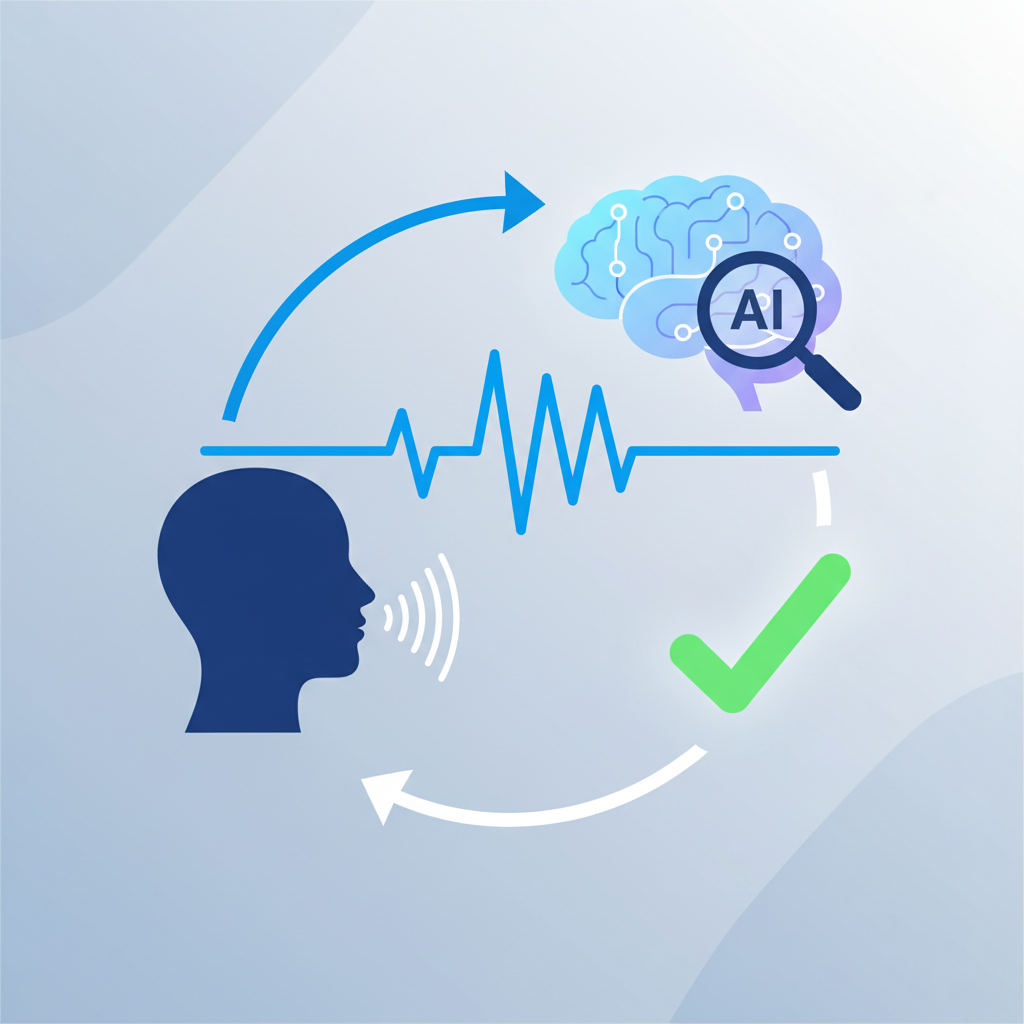
مزایای بازخورد آنی هوش مصنوعی
- بدون قضاوت: بسیاری از افراد از اشتباه کردن جلوی دیگران خجالت میکشند. هوش مصنوعی یک محیط امن برای هزاران بار تمرین فراهم میکند.
- دقت بالا: هوش مصنوعی میتواند تفاوتهای ظریف صوتی را که گوش انسان ممکن است نادیده بگیرد، شناسایی کند.
- دسترسی همیشگی: شما در هر ساعت از شبانهروز میتوانید با اپلیکیشن همزبان تمرین کنید و بازخورد بگیرید.
چالشهای رایج فارسیزبانان در تلفظ انگلیسی
زبان فارسی و انگلیسی ریشههای مشترکی دارند، اما در سیستم آوایی تفاوتهای اساسی دارند. در ادامه به چند مورد از رایجترین چالشها اشاره میکنیم:
۱. تفاوت در حروف صدادار (Vowels)
انگلیسی دارای تعداد بیشتری حروف صدادار نسبت به فارسی است. برای مثال، تفاوت بین صدای /i:/ در کلمه "Sheep" و صدای /ɪ/ در کلمه "Ship" برای بسیاری از ما دشوار است. هوش مصنوعی با تحلیل طول موج صدا، به شما میگوید که آیا صدا را به اندازه کافی کشیده ادا کردهاید یا خیر.
۲. استرس کلمات (Word Stress)
در فارسی، استرس کلمات معمولاً روی سیلاب آخر است، اما در انگلیسی، جابجایی استرس میتواند معنای کلمه را تغییر دهد (مثلاً تفاوت بین 'Object' به عنوان اسم و فعل).

۳. صداهای خاص مانند /th/
صدای /θ/ (مثل Think) و /ð/ (مثل This) در فارسی وجود ندارند. اغلب ما این صداها را با «ت» یا «د» جایگزین میکنیم. تمرین با هوش مصنوعی که قابلیت تشخیص جایگاه زبان را دارد، در رفع این مشکل بسیار موثر است.
چگونه با هوش مصنوعی تمرین کنیم؟
برای اینکه بیشترین بهره را از تکنولوژی ببرید، این مراحل را دنبال کنید:
گوش دادن فعال (Active Listening)
ابتدا به نسخه اصلی تلفظ توسط هوش مصنوعی گوش دهید. سعی کنید نه تنها صدا، بلکه آهنگ (Intonation) جمله را هم درک کنید. آیا صدا در انتهای جمله بالا میرود یا پایین میآید؟
ضبط و مقایسه
صدای خود را ضبط کنید. پلتفرمهای پیشرفتهای مثل همزبان صدای شما را با نسخه استاندارد مقایسه کرده و نمرهای به شما میدهند. این نمره به شما کمک میکند تا پیشرفت خود را به صورت عددی مشاهده کنید.
تمرین روی نقاط ضعف
به جای تمرین روی کلماتی که بلد هستید، روی کلماتی تمرکز کنید که هوش مصنوعی آنها را «قرمز» نشان داده است. تکرار هدفمند این کلمات، عضلات دهان شما را برای تولید صداهای جدید تربیت میکند.
استراتژیهای یادگیری برای نتایج سریعتر
- تکنیک سایه (Shadowing): همزمان با گوش دادن به یک پادکست یا هوش مصنوعی، جملات را با همان سرعت و لحن تکرار کنید.
- تمرکز بر روی گروههای کلمات: به جای یادگیری تکتک کلمات، الگوهای تلفظی را یاد بگیرید. مثلاً کلماتی که به -tion ختم میشوند.
- استفاده از معلم هوشمند: معلم هوش مصنوعی همزبان میتواند مانند یک پارتنر تمرینی، با شما صحبت کند و در لحظه اشتباهات تلفظی شما را اصلاح کند.
نتیجهگیری
تلفظ یک مهارت فیزیکی است، نه فقط یک دانش تئوری. مانند ورزش کردن، عضلات گفتاری شما نیاز به تمرین مداوم دارند. هوش مصنوعی نقش مربی شخصی شما را ایفا میکند که با دقت و حوصله زیاد، مسیر یادگیری را برایتان هموار میکند.
اگر میخواهید همین امروز سفر خود را برای داشتن یک لهجه عالی شروع کنید، پیشنهاد میکنیم همزبان را به رایگان امتحان کنید و قدرت بازخورد هوشمند را در یادگیری زبان تجربه کنید. با تمرین روزانه و استفاده از ابزارهای درست، رسیدن به سطح پیشرفته در صحبت کردن دیگر یک رویا نیست.