چگونه با استفاده از هوش مصنوعی، محیط غوطهوری در زبان را در خانه شبیهسازی کنیم؟
بسیاری از زبانآموزان تصور میکنند که برای تسلط کامل بر یک زبان جدید، حتماً باید چمدانهای خود را ببندند و به کشوری دیگر سفر کنند. ایده «غوطهوری» (Immersion) همیشه با حضور فیزیکی در محیط عجین بوده است. اما در عصر تحول دیجیتال، این قاعده تغییر کرده است.
امروزه به لطف پیشرفتهای شگرف در حوزه هوش مصنوعی، شما میتوانید بدون ترک کردن صندلی اتاقتان، فضایی ایجاد کنید که در آن ۲۴ ساعت شبانهروز با زبان هدف محاصره شوید. در این مقاله، بررسی میکنیم که چگونه ابزارهای مدرن به شما کمک میکنند تا دیوارهای خانه خود را به مرزهای یادگیری تبدیل کنید.
غوطهوری دیجیتال چیست و چرا اهمیت دارد؟
غوطهوری به معنای قرار گرفتن در معرض زبانی است که میخواهید یاد بگیرید، به شکلی که مجبور شوید از آن برای درک محیط و برقراری ارتباط استفاده کنید. این روش برخلاف کلاسهای سنتی، بر یادگیری ناخودآگاه تمرکز دارد.
هوش مصنوعی با شبیهسازی تعاملات انسانی، این امکان را فراهم میکند که حتی در تنهایی نیز تمرین کنید. شما دیگر نیازی به یک پارتنر تمرینی انسانی ندارید که همیشه در دسترس باشد. ابزارهایی مانند همزبان به شما اجازه میدهند در هر زمان از شبانهروز، به تمرین بپردازید.
۱. ایجاد یک حباب زبانی با دستیارهای صوتی
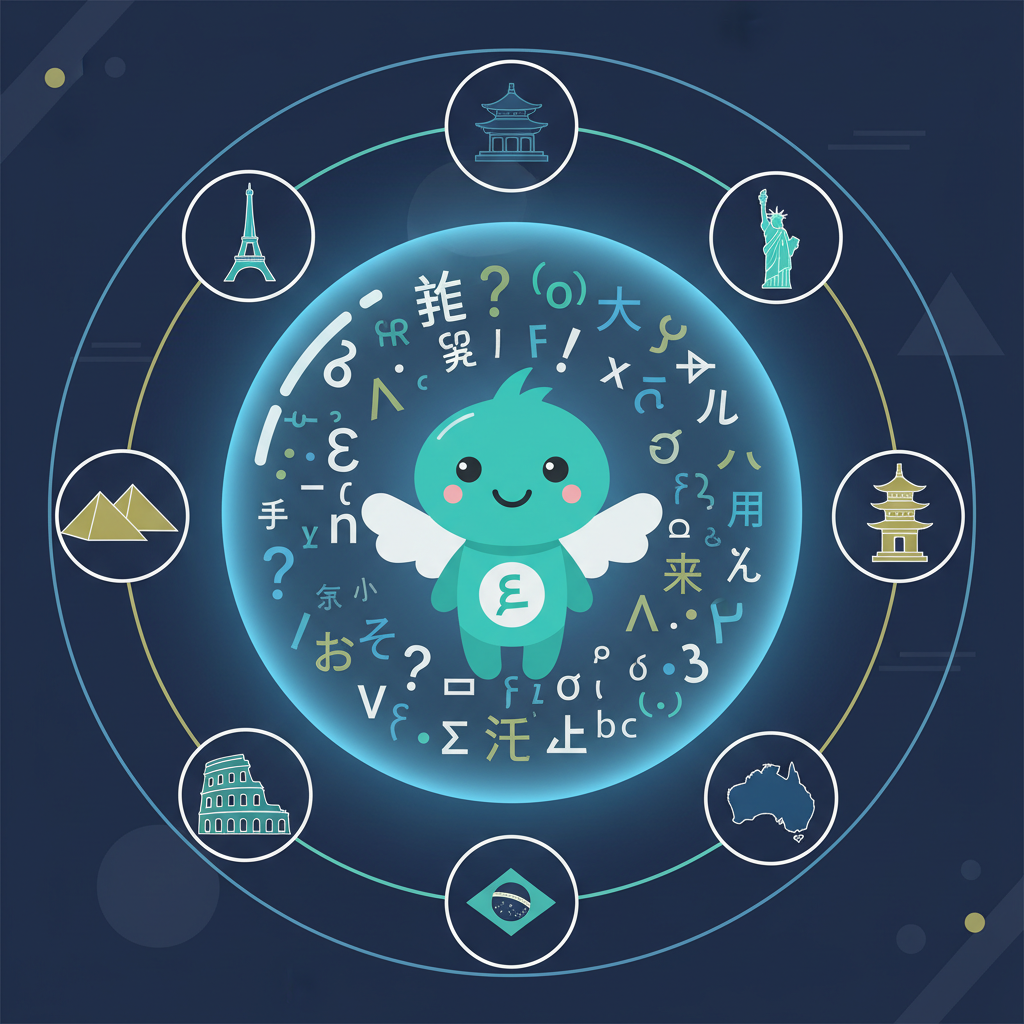
اولین قدم برای غوطهوری در خانه، تغییر زبان تمام ابزارهای دیجیتال است. اما هوش مصنوعی فراتر از تغییر منوی گوشی عمل میکند. دستیارهای صوتی هوشمند اکنون میتوانند به عنوان مربیان تلفظ شما عمل کنند.
- تعامل روزمره: سعی کنید کارهای روزانه خود را با استفاده از دستورات صوتی به زبان هدف انجام دهید. از هوش مصنوعی بخواهید لیست خرید شما را بنویسد یا اخبار روز را برایتان بخواند.
- تصحیح در لحظه: برخی از مدلهای زبانی پیشرفته میتوانند به محض اینکه اشتباهی در ساختار جمله شما بشنوند، آن را اصلاح کنند.
۲. نقشآفرینی (Role-play) با هوش مصنوعی
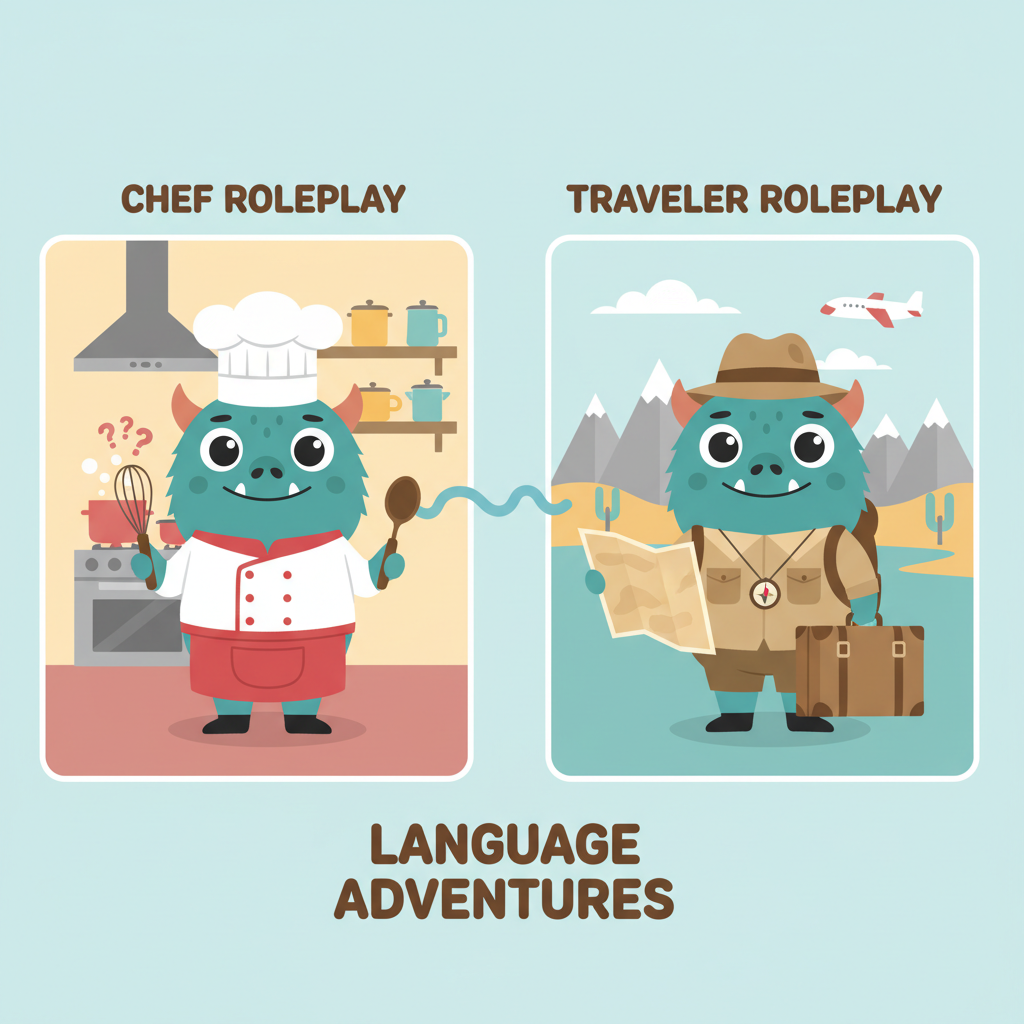
یکی از بزرگترین چالشهای یادگیری زبان در خانه، نبود فرصت برای مکالمات واقعی است. هوش مصنوعی این خلاء را با سناریوهای نقشآفرینی پر کرده است. شما میتوانید با یک هوش مصنوعی در نقشهای مختلف صحبت کنید.
تصور کنید در حال تمرین برای یک مصاحبه شغلی هستید یا میخواهید در یک رستوران در پاریس غذا سفارش دهید. هوش مصنوعی نه تنها پاسخهای منطقی میدهد، بلکه لحن و اصطلاحات مناسب آن موقعیت را نیز به کار میبرد.
مزایای تمرین مکالمه با AI:
- کاهش اضطراب: بسیاری از زبانآموزان از اشتباه کردن جلوی دیگران میترسند. هوش مصنوعی قضاوت نمیکند و شما میتوانید هزار بار یک جمله را تکرار کنید.
- دسترسی همیشگی: برخلاف معلمان خصوصی، هوش مصنوعی ساعت ۳ صبح هم آماده مکالمه با شماست.
- تنوع لهجهها: شما میتوانید از هوش مصنوعی بخواهید با لهجههای مختلف (مثلاً بریتانیایی یا آمریکایی) با شما صحبت کند تا گوشتان عادت کند.
برای شروع این تجربه، میتوانید نسخه وب اپلیکیشن همزبان را امتحان کنید و مستقیماً با هوش مصنوعی وارد گفتگو شوید.
۳. شخصیسازی محتوا بر اساس علایق
غوطهوری سنتی گاهی خستهکننده است چون شما کنترلی بر موضوعات ندارید. اما در غوطهوری با هوش مصنوعی، محتوا بر اساس سلیقه شما ساخته میشود. الگوریتمهای یادگیری ماشین متوجه میشوند که شما به چه موضوعاتی علاقه دارید و کلمات جدید را در قالب آن موضوعات به شما آموزش میدهند.
چگونه محتوای شخصی بسازیم؟
- خلاصهسازی هوشمند: از ابزارهای هوش مصنوعی بخواهید مقالات طولانی در مورد موضوع مورد علاقه شما (مثلاً نجوم یا آشپزی) را به زبان سادهتر خلاصه کنند.
- داستانسرایی تعاملی: میتوانید از هوش مصنوعی بخواهید یک داستان کوتاه بنویسد که در آن شما قهرمان داستان هستید و باید با انتخابهای خود، روند داستان را پیش ببرید.
۴. تحلیل و بازخورد فوری (Feedback Loop)
در محیطهای غوطهوری واقعی، ممکن است سالها اشتباهی را تکرار کنید و کسی شما را اصلاح نکند. هوش مصنوعی این مشکل را حل کرده است. ابزارهای تحلیل متن و صوت میتوانند دقیقاً به شما بگویند که کجا اشتباه کردهاید.
استفاده از راهنمای گرامر همزبان به شما کمک میکند تا الگوهای تکراری اشتباهات خود را بشناسید و آنها را در حین تمرینهای غوطهوری اصلاح کنید. این بازخورد فوری باعث میشود که سرعت یادگیری شما نسبت به روشهای سنتی تا ۳ برابر افزایش یابد.
۵. گوش دادن فعال و غیرفعال
برای غوطهوری کامل، باید گوش خود را به شنیدن زبان عادت دهید. هوش مصنوعی میتواند پادکستها یا ویدیوهای یوتیوب را برای سطح شما بهینهسازی کند.
- تولید پادکستهای سفارشی: ابزارهایی وجود دارند که متنهای دلخواه شما را با صدای طبیعی و سرعت قابل تنظیم به پادکست تبدیل میکنند.
- زیرنویسهای هوشمند: استفاده از ابزارهایی که کلمات دشوار را در زیرنویس شناسایی کرده و معادل آنها را نمایش میدهند، یادگیری را در حین تماشای فیلم لذتبخشتر میکند.
نتیجهگیری: خانه شما، کلاس درس شماست
دیگر نیازی به هزینههای گزاف سفر برای یادگیری زبان نیست. با ترکیب ابزارهای هوش مصنوعی و یک برنامه منظم، میتوانید محیطی بسازید که در آن زبان جدید به بخشی از زندگی روزمره شما تبدیل شود. کلید موفقیت در این مسیر، استمرار و استفاده از ابزارهای درست است.
اگر آماده هستید که اولین قدم را برای ایجاد محیط غوطهوری خود بردارید، همین حالا یادگیری با همزبان را رایگان شروع کنید. هوش مصنوعی ما آماده است تا به عنوان مربی شخصی، شما را در این مسیر همراهی کند.